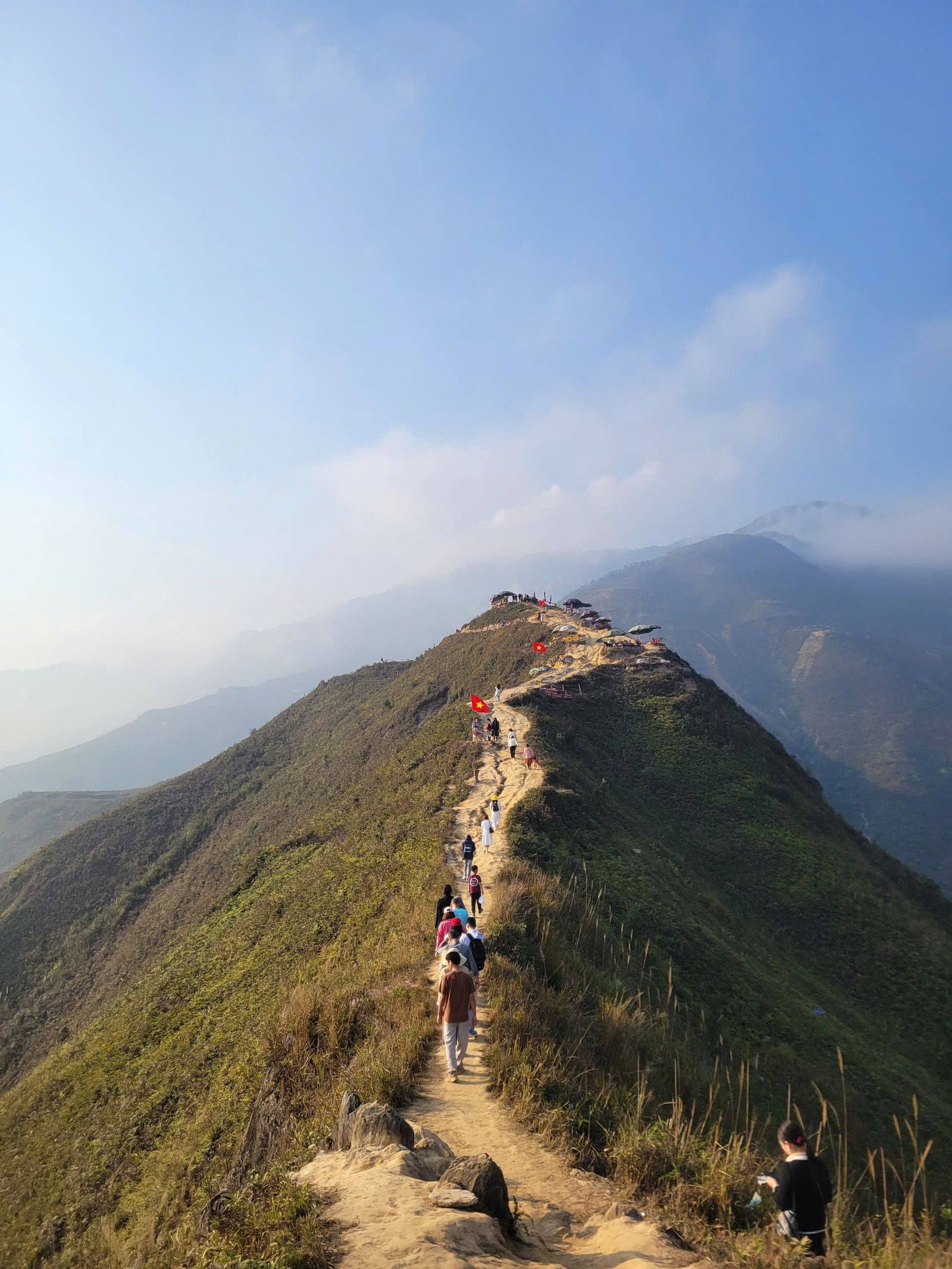
Sunrise & sunset hikes
Climbing to the summit at dawn to watch the sun break through the sea of clouds: pure magic.
🧭 Your GuideClimbing the Hohneck or Grand Ballon before dawn to watch the sunrise over the sea of clouds is one of the strongest memories of a Vosges stay. At dusk, golden light sets the moorlands ablaze. A contemplative experience that takes a little planning and a headlamp.
At a glance
When to go
- Jan
- Feb
- Mar
- Apr
- May
- Jun
- Jul
- Aug
- Sep
- Oct
- Nov
- Dec
📅 May to October; seas of cloud are common in autumn
Where to go
Compare accommodation on Booking.com
Tips & insider advice
- 🔦
Head torch and a warm layerEssential: it is dark and cold when you set off, even in summer on the ridges.
- ⛅
Timing and weatherCheck the sunrise time and the forecast. A sea of cloud often forms in high-pressure weather, especially in autumn.
- 🗺️
Scout it by dayWalk the trail in daylight before doing it at night: landmarks look completely different in the dark.
- ⏱️
Arrive earlyAim to be at the summit 20 to 30 minutes before sunrise: the most beautiful colours appear before the sun does.
- 🐐
Keep it quietAt dawn, wildlife is active on the high pastures: stay on the paths and avoid making noise.
- 🌄
Sunsets tooLess of an early start, sunset bathes the high pastures in golden light. Keep your head torch for the way down.
The Grand Ballon, at about 1,424 m, is the highest point of the Vosges massif; the Hohneck, at around 1,363 m, is the highest point of the former Lorraine region.
Source ↗Frequently asked questions
Where can I watch the sunrise in the Vosges?
The Hohneck and the Grand Ballon offer open panoramas, often above a sea of cloud.
How can I see a sea of clouds in the Vosges?
Aim for a calm morning in high-pressure weather, often in autumn: the mist stays in the valleys while the summits are in the sunshine.
Is it dangerous to hike at night?
Not if you know the route, have a good head torch and let someone know. Avoid unfamiliar trails and nights of bad weather.
Can you go with children?
Yes, with children who are used to walking, on a short, well-known route. Bring plenty of warm layers.