 Moderate
Medieval castles
The massif bristles with perched castle ruins (Salm, Bilstein…) reached by short hikes.
Learn more →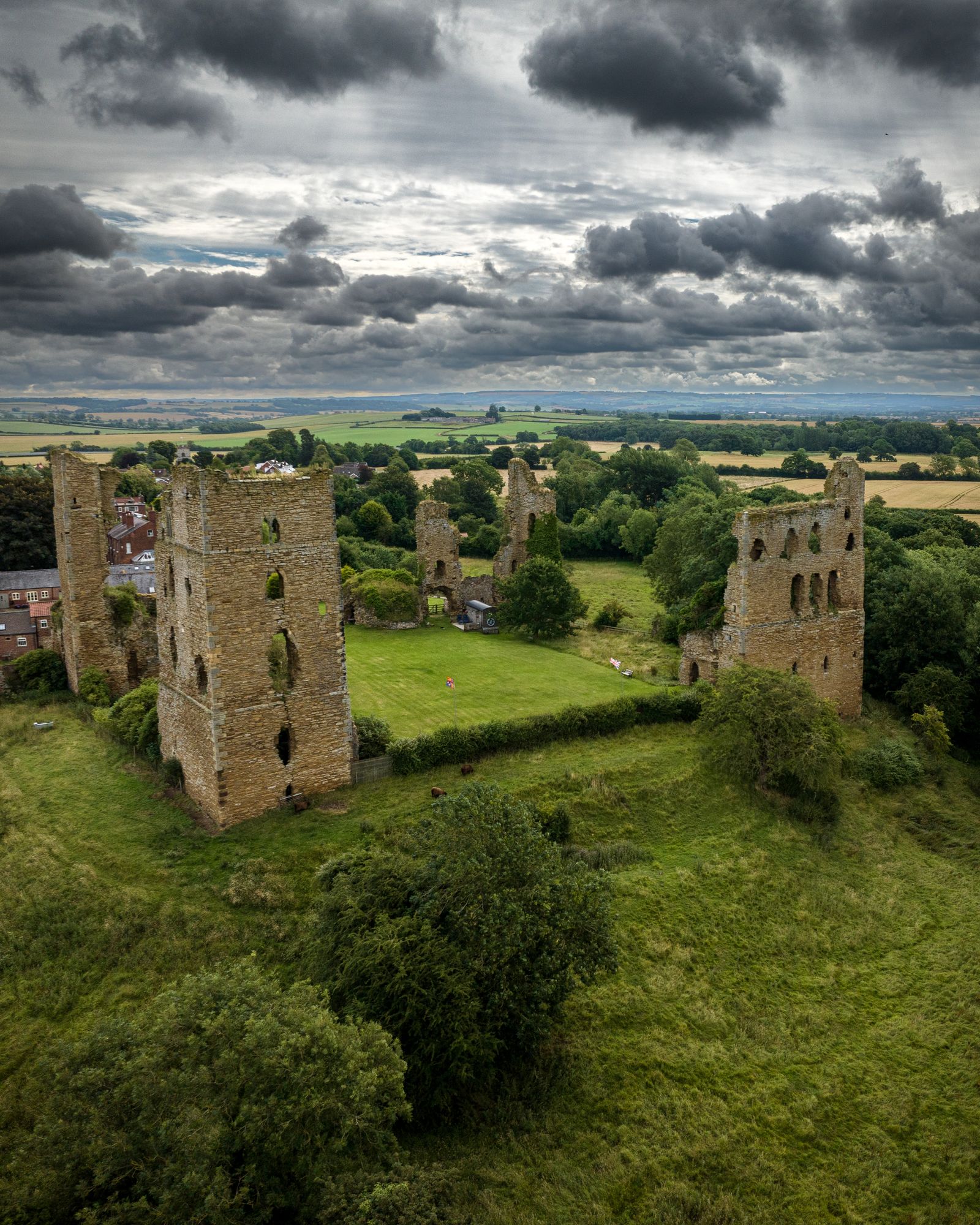 Photo: Pexels
Fortified castles perched on sandstone, walled towns, abbeys, forts and places of remembrance: the heritage of the Vosges massif and Alsace tells the story of centuries on a frontier. The Vosges du Nord alone have 35 fortified castles and 5 Maginot Line fortifications, according to the Regional Nature Park. Further south, Haut-Kœnigsbourg castle welcomes nearly 550,000 visitors every year.
To plan your visits, combine a major site, such as a restored castle or a museum, with a self-guided wander round a nearby ruin or flower-filled village. Many ruined castles are free to explore and linked by waymarked footpaths; managed sites, on the other hand, have opening hours and sometimes close in winter. The First World War memorials, such as the Hartmannswillerkopf or the Linge, deserve time and a respectful visit.
Moderate The massif bristles with perched castle ruins (Salm, Bilstein…) reached by short hikes.
Learn more → Moderate
The 1914-18 Vosges front: Hartmannswillerkopf (Vieil Armand), Le Linge, trenches and cemeteries — deeply moving memorial sites.
Learn more → Easy
From textiles to the Image d’Épinal and local history, the Vosges museums tell a rich industrial and craft past.
Learn more → Moderate At Sainte-Marie-aux-Mines, you descend into 16th-century silver galleries, helmet on — a dive into the massif’s mining history.
Learn more →—
29 real places and providers in Alsace and the Vosges, each with its own page: practical info, map, weather and ideas nearby.
Every activity in the massif on one map. Filter by category and click a point.


Ruins free to exploreMany ruined castles can be visited free of charge after a short walk through the forest: wear good shoes and stay in the secured areas.
Arrive early at the major sitesThe busiest sites are more enjoyable at opening time, especially in summer and on spring weekends.
Guided tours and audio guidesThe major castles and museums often offer guided tours or children’s trails that bring history to life.
One theme a dayFoothill castles, Vosges du Nord, 1914–18 remembrance or Route des Vins villages: grouping visits by area cuts down on travel.
Places of remembranceOn battlefields and in military cemeteries, dress and behave respectfully, and never remove any remains.
Underground, wrap upIn mines and forts, the temperature stays cool all year round: bring a jacket, even in midsummer.
Haut-Kœnigsbourg, presented in ruins to Emperor Wilhelm II and then rebuilt by Bodo Ebhardt, welcomes nearly 550,000 visitors a year. Wilhelm II’s coat of arms can still be seen there.
Source ↗Haut-Kœnigsbourg is the most famous, but the ruins of Haut-Barr, Fleckenstein, Saint-Ulrich and Haut-Andlau are also well worth a detour. The Vosges du Nord alone are home to several dozen fortified castles.
First World War memorial sites such as the Hartmannswillerkopf or the Linge, the Maginot Line forts, the former silver mines and the abbeys offer a broad panorama. Joan of Arc’s birthplace in Domrémy is also a must on the Lorraine side.
Many ruins in the Vosges are free to explore and are maintained by local associations, but this is not a general rule. Restored and managed castles, such as Haut-Kœnigsbourg, charge admission.
Eguisheim, Riquewihr, Hunawihr and Mittelbergheim are among the Plus Beaux Villages de France. Obernai, Kaysersberg, Ribeauvillé and Petite France in Strasbourg are also very popular.

