 Easy
Christmas markets
Chalets, mulled wine and crafts in the massif’s illuminated villages, on the Alsace border.
Learn more →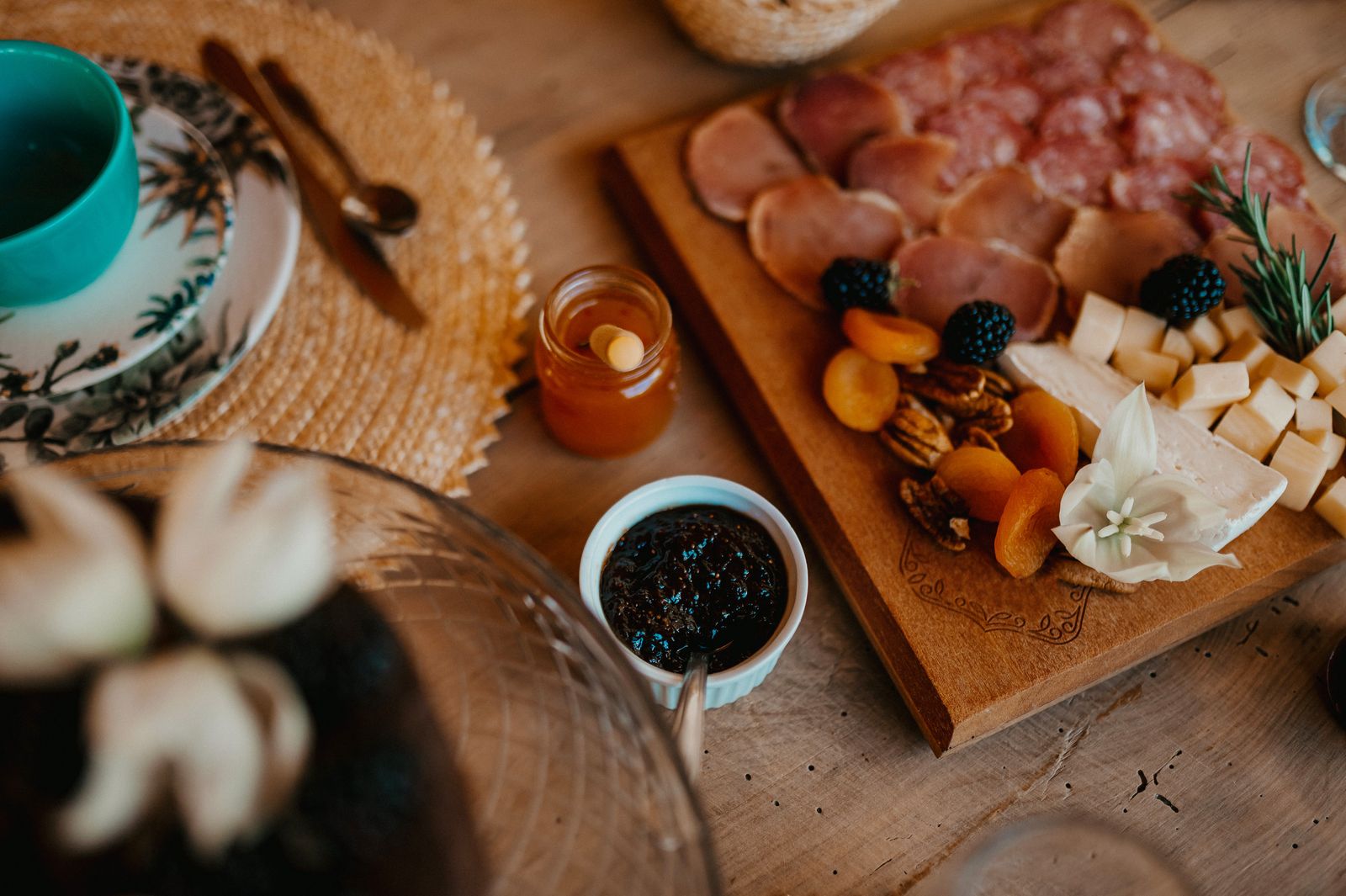
Mountain farm-inns, munster cheese, breweries, distilleries and markets.
🧭 Your GuideFrom the farm inns (fermes-auberges) of the high pastures to the winstubs of the plain, food links the Vosges mountains with the Alsace vineyards. Inaugurated in 1953, the Route des Vins d’Alsace stretches for about 170 km and brings together more than 300 wine estates and 49 of the 51 Alsace grands crus. In the mountains, munster cheese, craft breweries and fruit distilleries complete the table.
To enjoy it at its best, think seasons: the ridge-top fermes-auberges open mainly from the fine weather through to autumn, the grape harvest livens up the vineyards in September and October, and the Christmas markets make much of bredele biscuits and mulled wine. Book your table at a ferme-auberge, especially at weekends, and plan for a sober driver or a cycling route for tastings. Farmers’ markets remain the best way to take the taste of the region home.
Easy Chalets, mulled wine and crafts in the massif’s illuminated villages, on the Alsace border.
Learn more → Easy
At the foot of the massif on the Alsace side, half-timbered houses, pink Vosges sandstone and flowered villages form a unique built heritage.
Learn more → Easy
On the high moorlands, farm-inns serve the marcaire meal: tourte, munster, roïgabrageldi and bilberries.
Learn more → Easy
Munster AOP, ripened in its valley, is tasted from farm to table, sometimes with caraway.
Learn more → Easy
The Vosges craft-beer scene is thriving: tours and tastings of mountain beers, often organic.
Learn more → Easy
The Vosges are a land of eaux-de-vie: mirabelle, kirsch, raspberry and fir liqueurs await at the distilleries.
Learn more →—
6 real places and providers in Alsace and the Vosges, each with its own page: practical info, map, weather and ideas nearby.
Every activity in the massif on one map. Filter by category and click a point.


Book your ferme-aubergeFermes-auberges are often reachable only on foot or by a narrow road: call to book and check opening days.
Taste in moderationOn the Route des Vins, choose a designated driver or explore the vineyards on the cycle route that runs alongside the road.
The vineyards by bikeThe Véloroute du vignoble d’Alsace, part of EuroVelo 5, lets you link the wine villages at your own pace.
Local marketsCheese, charcuterie, honey and jams: weekly and farmers’ markets are a chance to buy direct from producers.
A cool box in the bootTo bring munster, charcuterie or craft beer home in good condition, a cool box avoids nasty surprises in summer.
Time your trip to the festivalsWine fairs, harvest festivals and Christmas markets punctuate the year: check the tourist offices’ events calendars before you go.
Inaugurated in 1953, the Route des Vins d’Alsace winds for about 170 km from Marlenheim to Thann. Along its route are more than 300 wine estates and 49 of the 51 Alsace grands crus.
Source ↗It is the traditional menu of the fermes-auberges of the Hautes-Vosges: tourte de la vallée (meat pie), smoked pork collar and roïgabrageldi potatoes, followed by munster and dessert. It is best enjoyed at the fermes-auberges on the ridges.
At the fermes-auberges and cheese dairies of the Munster valley and the Hautes-Vosges, or at the Maison du Fromage in the Munster valley, which shows how it is made. Farmers’ markets also sell it.
Riquewihr, Eguisheim, Hunawihr, Mittelbergheim, Kaysersberg, Ribeauvillé and Obernai are among the most popular stops. The Maison des vins d’Alsace in Colmar can tell you about estates and tastings.
Munster, Alsace wines, fruit brandies, craft beers, fir honey, bredele at Christmas or bilberry jam. Ideally, buy direct from producers or at markets.

