 Moderate
Mushroom foraging
Porcini, chanterelles and black trumpets in mixed forests and damp valley bottoms. Family picking capped at 5 L in the Hautes-Vosges (forbidden in private woods).
Learn more →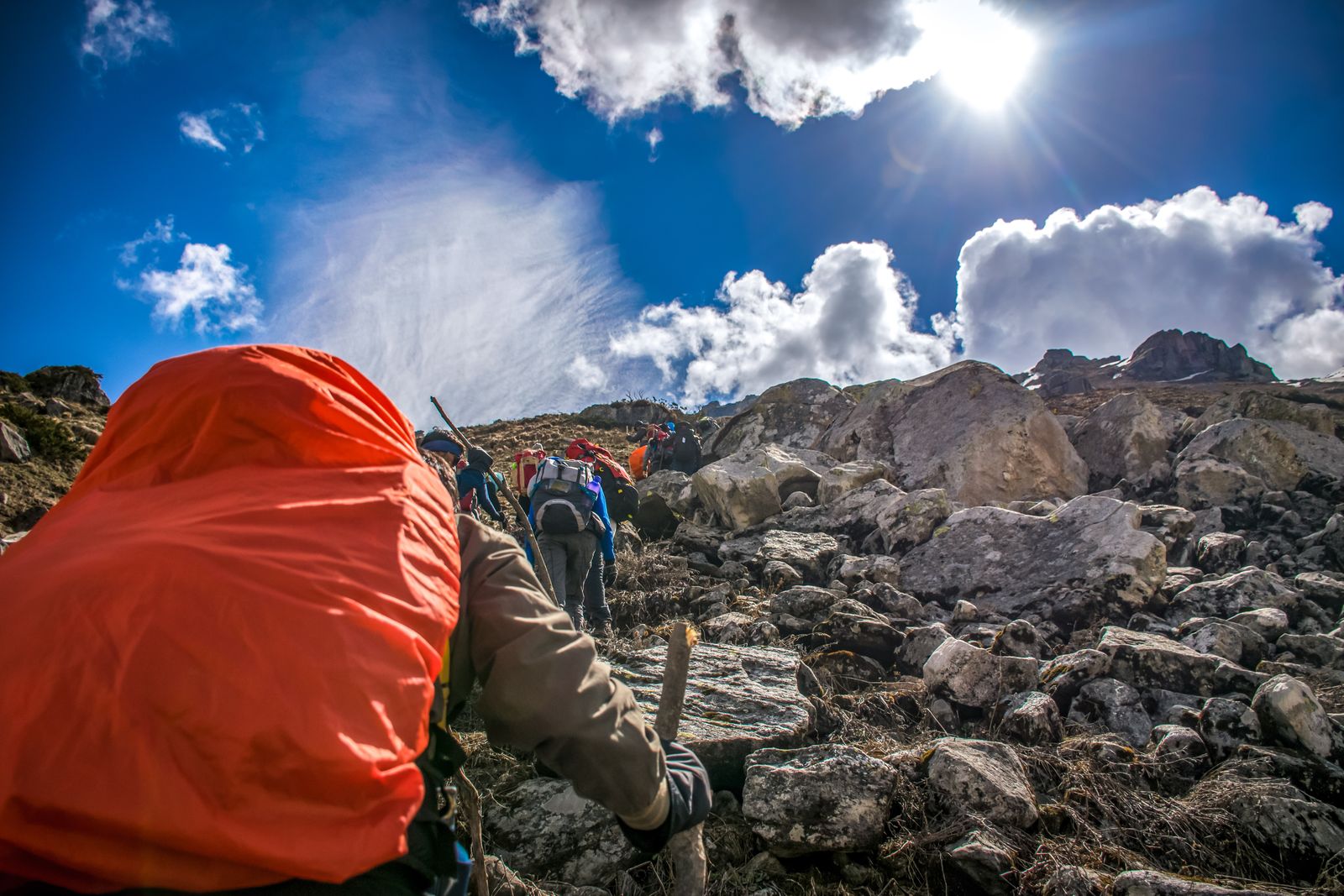 Photo: Pexels
At 1,139 m, the Col de la Schlucht links the Munster valley to that of the Meurthe: one of the massif’s busiest passes and an ideal gateway to the ridges. The nearby Haut-Chitelet alpine garden showcases mountain flora from around the world.
📅 June to October for hiking; December to March for snow
Moderate Porcini, chanterelles and black trumpets in mixed forests and damp valley bottoms. Family picking capped at 5 L in the Hautes-Vosges (forbidden in private woods).
Learn more → Moderate
In September-October at dusk, the deer’s roar echoes through the forests — guided dawn and dusk outings.
Learn more → Moderate
Quietly through the snowy ridges and forests, away from the slopes — guided outings available.
Learn more → Moderate
Miles of nordic tracks on the high moorlands and around the passes.
Learn more → Easy
Husky sled rides across the snowy plateaus.
Learn more → Demanding
The legendary Route des Crêtes and the Vosges passes, a renowned cyclists’ playground.
Learn more → Easy
Outdoor sessions on the moorlands or in the forest, to reconnect with the summits’ calm.
Learn more → Moderate
The ridge trail (GR5) links the summits across the high moorlands, overlooking the Alsace plain.
Learn more → Demanding
Together with the GR53, the GR5 forms the great traverse of the massif, from Wissembourg to Belfort: a trek from refuge to farm-inn.
Learn more → Moderate
The 1914-18 Vosges front: Hartmannswillerkopf (Vieil Armand), Le Linge, trenches and cemeteries — deeply moving memorial sites.
Learn more → Demanding
Sandstone and granite cliffs, forest boulders: the massif offers climbing for all levels.
Learn more → Easy
A modern GPS treasure hunt to explore the forest and summits while having fun.
Learn more → Moderate
Chamois on the ridges, deer, peregrine falcons and capercaillie: Vosges wildlife is watched with binoculars, quietly.
Learn more →Compare accommodation on Booking.com
16 places within 20 km, nearest first.
Arrive earlyThe pass is a very busy crossroads: in summer and at weekends, come early in the morning to find a space and enjoy the peace on the ridges.
The Sentier des Roches, for experienced hikersOpened in 1910, this path runs along the cliffs on the Alsace side, with sections cut into the rock and footbridges. It is very dangerous and impassable in winter.
In winter, head for the HohneckAn easier snowshoe or cross-country ski outing heads south via the Trois-Fours pasture to the Hohneck, returning the same way.
The Haut-Chitelet alpine gardenVery close to the pass, this garden, rebuilt in 1954, showcases mountain flora: check its opening dates before you come.
Stop at the Schlucht 1139 centreA discovery centre opened in 2019 in the Tétras 1139 building tells the story of the pass and the massif: ideal on an overcast day.
Beware of ridge weatherFog, wind and storms can blow up quickly above 1,100 m. Check the forecast and turn back if visibility drops.
The Schlucht was home to the first ski tow in the Vosges, from February 1937, followed in 1949 by the massif’s first École du Ski Français ski school.
Source ↗The pass road is cleared of snow and stays open in winter. On site you can go cross-country skiing, snowshoeing and sledging; always check conditions before setting off.
The GR5 follows the ridges towards the Hohneck and the Col du Bonhomme, and the Sentier des Roches runs along the cliffs on the Alsace side. A classic loop reaches the Hohneck via the Trois-Fours.
There are car parks at the pass, next to the shops and trailheads. They fill up fast on fine weekends, so come early.
Yes: the area around the pass, the summer toboggan run and the climb to the Trois-Fours suit families. Avoid the Sentier des Roches with young children, however.