 Easy
Thermal cures
Plombières, Vittel and Contrexéville carry on a centuries-old spa tradition, from cures to fitness.
Learn more →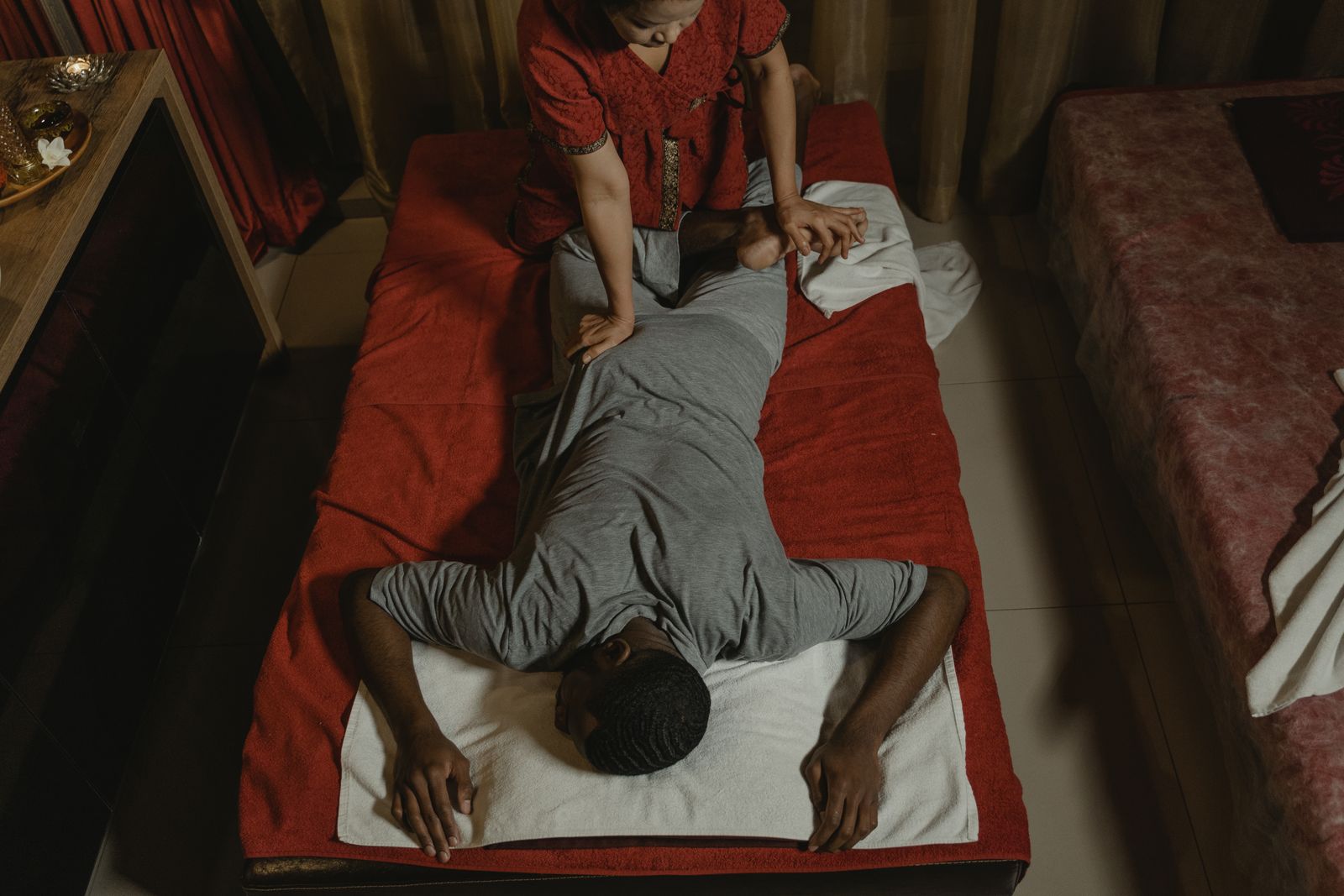 Photo: Pexels
A spa town since Roman times, Plombières-les-Bains was the retreat of Napoleon III and Joséphine. Its hot springs rise in the heart of a garden town with Belle Époque charm, tucked into a wooded valley of the southern Vosges.
📅 Pleasant all year round; spring and summer for the parks and gardens
Easy Plombières, Vittel and Contrexéville carry on a centuries-old spa tradition, from cures to fitness.
Learn more → Easy
Warm pools, jets and water treatments to unwind after mountain effort.
Learn more → Easy
Relaxing or sports massages offered by the massif’s spas and baths.
Learn more → Easy
From textiles to the Image d’Épinal and local history, the Vosges museums tell a rich industrial and craft past.
Learn more → Easy
Abbeys (Senones, Étival), pink-sandstone churches and mountain chapels dot the massif, witnesses to a rich monastic past.
Learn more → Easy
The Vosges are a land of eaux-de-vie: mirabelle, kirsch, raspberry and fir liqueurs await at the distilleries.
Learn more →Compare accommodation on Booking.com
2 places within 20 km, nearest first.
Follow the baths axisRue Liétard, Place du Bain Romain and Rue Stanislas bring together most of the spa buildings: a short and telling route.
The Parc ImpérialLaid out in 1856 on the orders of Napoleon III, it features about 80 tree species: ideal for a break in the shade.
Check what treatments are availableSeveral spa establishments have seen closures and renovations in recent years: check before booking a cure or spa session.
The Belle Époque villasBehind the Thermes Napoléon, the villas on Rue du Général-de-Gaulle and Rue du Chevalier-de-Boufflers, built between 1860 and 1900, are well worth a look.
The town of a thousand balconiesPlombières owes this nickname to its façades: look up as you stroll along the main street.
Around PlombièresRemiremont and Le Val-d’Ajol are close by: perfect for combining spa heritage with forest walks.
In 1802 the American engineer Robert Fulton came to show Joséphine, wife of the First Consul, the model of his steamboat, tested on a branch of the Augronne in Plombières.
Source ↗Plombières has been a spa town since Antiquity. The range of cures and treatments changes over time: check with the establishments and the tourist office before booking.
The historic baths, including the Bain Romain and the Thermes Napoléon, the Parc Impérial, the Belle Époque villas, the covered wash house and the Crucifix spring at the Maison des Arcades.
Joséphine de Beauharnais, Napoleon III, Berlioz, Lamartine, Musset and Goya all stayed here. In 1858 Napoleon III received Cavour here at the Plombières meeting.
The town is narrow and hilly: use the car parks at the edge of town and explore the centre on foot.