 Moderate
Mushroom foraging
Porcini, chanterelles and black trumpets in mixed forests and damp valley bottoms. Family picking capped at 5 L in the Hautes-Vosges (forbidden in private woods).
Learn more →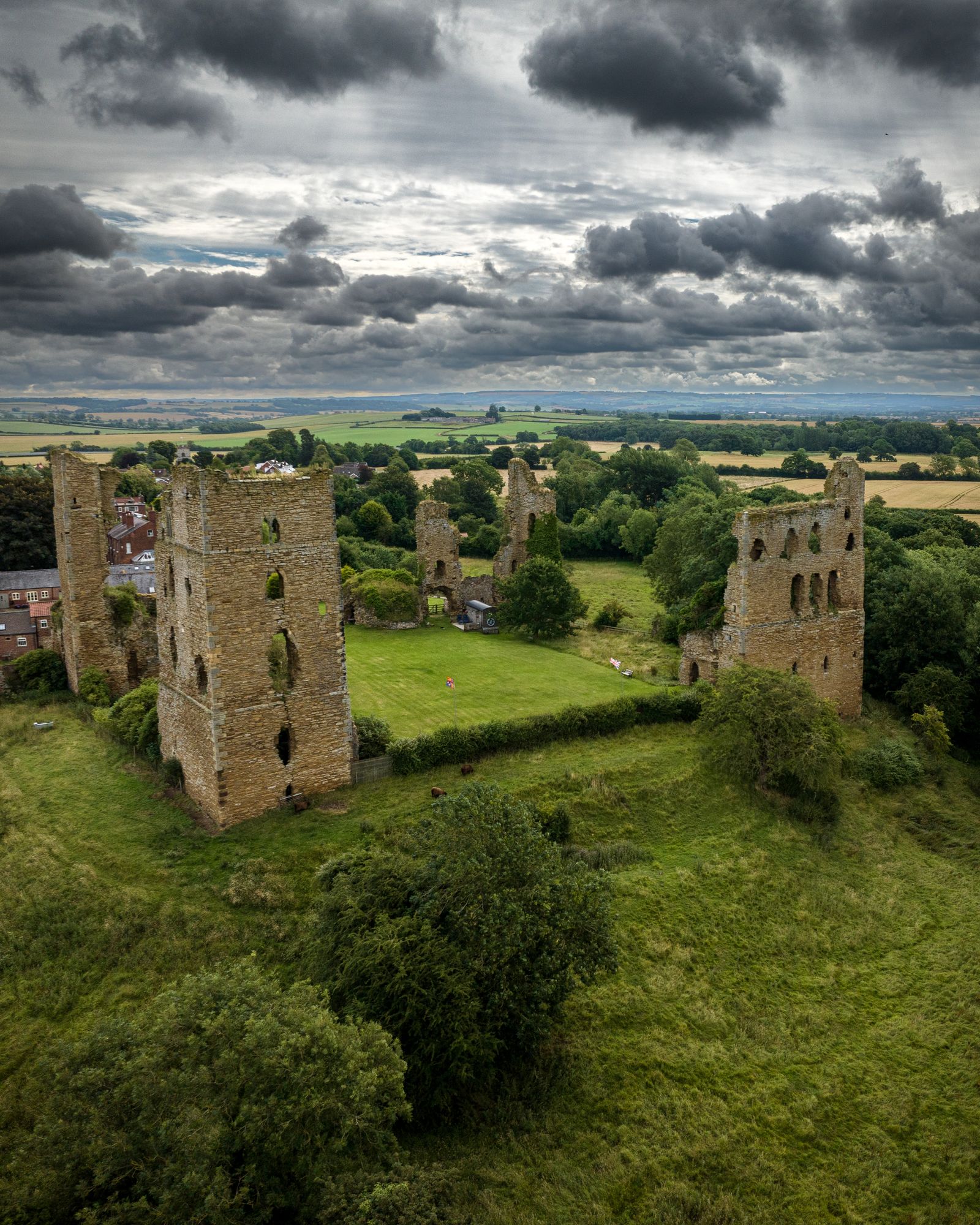 Photo: Pexels
At the foot of the Hohneck on the Alsace side, the Munster valley is the cradle of the famous cheese of the same name, which you can taste in the farm-inns of the high pastures. Between mountain dairies, trails and storks, it is one of the finest gateways to the massif from the Alsace plain.
📅 May to October for the farm inns and hiking; December for the Christmas markets
Moderate Porcini, chanterelles and black trumpets in mixed forests and damp valley bottoms. Family picking capped at 5 L in the Hautes-Vosges (forbidden in private woods).
Learn more → Easy
Chalets, mulled wine and crafts in the massif’s illuminated villages, on the Alsace border.
Learn more → Moderate
Electric assist opens the ridges and passes to everyone, families and the less fit alike.
Learn more → Moderate
The massif bristles with perched castle ruins (Salm, Bilstein…) reached by short hikes.
Learn more → Easy
From textiles to the Image d’Épinal and local history, the Vosges museums tell a rich industrial and craft past.
Learn more → Moderate
At Sainte-Marie-aux-Mines, you descend into 16th-century silver galleries, helmet on — a dive into the massif’s mining history.
Learn more → Easy
Abbeys (Senones, Étival), pink-sandstone churches and mountain chapels dot the massif, witnesses to a rich monastic past.
Learn more → Easy
At the foot of the massif on the Alsace side, half-timbered houses, pink Vosges sandstone and flowered villages form a unique built heritage.
Learn more → Easy
Indoor puzzles or outdoor adventure trails (Explor’Games) to solve mysteries as a family.
Learn more → Easy
On the high moorlands, farm-inns serve the marcaire meal: tourte, munster, roïgabrageldi and bilberries.
Learn more → Easy
Munster AOP, ripened in its valley, is tasted from farm to table, sometimes with caraway.
Learn more → Easy
The Vosges craft-beer scene is thriving: tours and tastings of mountain beers, often organic.
Learn more → Easy
At the foot of the massif on the Alsace side, the Wine Route unfurls riesling and gewurztraminer through flowered villages.
Learn more → Easy
Fir honey, bilberry jam, smoked charcuterie and cheeses: the markets brim with mountain produce.
Learn more → Easy
The donkey carries the bags and the children’s pace: a friendly, bucolic hike, over several days if you like.
Learn more → Easy
Discreet bivouac, screen-free stays, forest bathing: the Vosges lend themselves to switching off and reconnecting.
Learn more →Compare accommodation on Booking.com
16 places within 20 km, nearest first.
The best season for munsterThe ideal time to enjoy munster cheese runs from May to October, when the herds are up on the high pastures.
Farm innsMany farm inns (fermes-auberges) can only be reached by narrow roads or on foot. Book if you can and check which days they are open.
Around the valleyThe Hohneck, the Col de la Schlucht, the Lac Vert and the Lac de Fischboedle can all be reached from the valley; Colmar and the Wine Route are close by.
Heading up to the ridgesThe weather changes quickly on the high pastures. Bring a warm layer and a map, even for a short hike.
With the familyWalks around Munster and spotting the storks make for a simple outing with children.
Respect the pasturesClose gates behind you, stay on the paths and keep your dog on a lead near livestock.
Munster cheese has been protected by an AOC since 1969 and by a European PDO since 1996. Its name comes from the monastery founded around 660 in the Fecht valley.
Source ↗Hike up to the ridges, have lunch at a farm inn (ferme-auberge), explore Munster and its surroundings, and discover the cheese of the same name.
It is the traditional meal of the farm inns on the high pastures, served by the farmers themselves. Menus vary from one farm to the next, so check beforehand.
May to October for the farm inns and hiking; in winter, some farms close and the mountain roads may be snowbound.
By car from Colmar through the Fecht valley, in about twenty minutes. From Lorraine, you arrive via the Col de la Schlucht.